
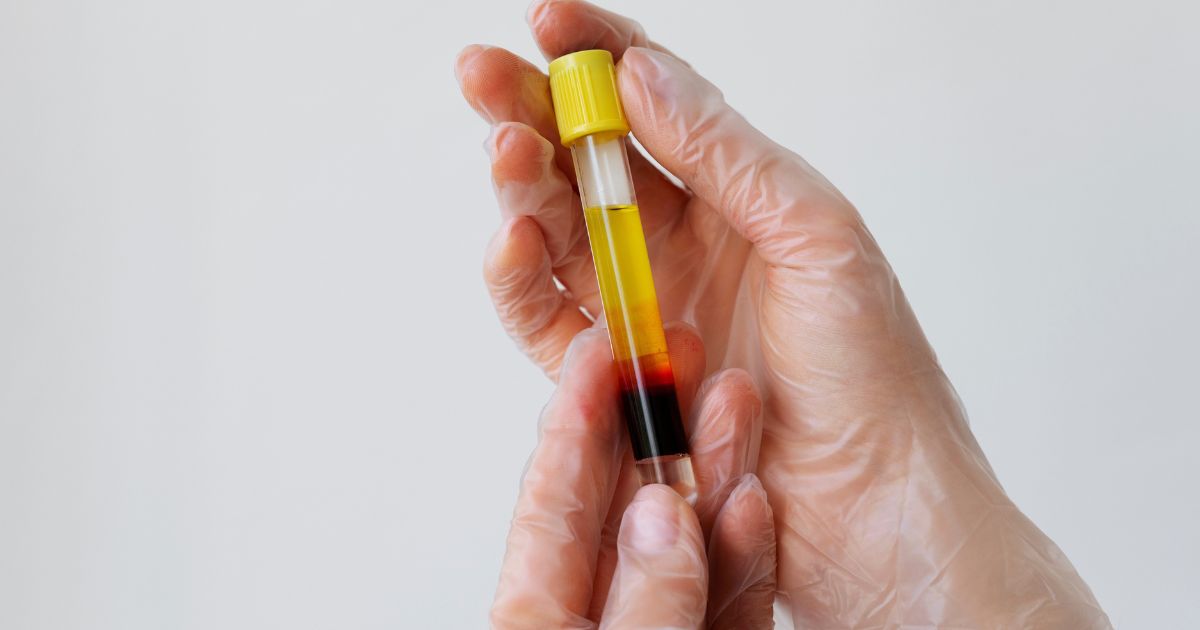
Platelet-rich plasma (PRP) has become a frequently discussed topic across different medical fields. While many people have heard the term, its role is not always clearly understood. PRP is derived from a patient’s own blood and contains a higher concentration of platelets than usual, which are components naturally involved in various physiological processes. However, beyond this general definition, its application is still being explored and evaluated in multiple clinical settings.
Understanding PRP requires going beyond what it is and focusing on how it is approached within real medical practice. It is not a standardized or universally applied option, and its consideration depends on context. Each medical specialty may evaluate PRP differently, with varying objectives and criteria depending on the condition being assessed.
Contents
How PRP is approached in clinical environments
In clinical environments, PRP is not handled in a single, uniform way. Its preparation methods, concentration levels, and potential applications can differ depending on institutional protocols and physician judgment. This variability is one of the reasons why PRP cannot be generalized across all cases.
Within reproductive medicine, the term PRP fertility treatment may appear in conversations related to emerging or complementary approaches. It is important to understand that PRP fertility treatment is not defined as a fixed or standardized intervention, but rather as a concept that is still being observed and evaluated under specific clinical circumstances.
The importance of individualized medical assessment
One of the most relevant aspects of PRP is that it is not suitable for everyone. Each patient presents unique characteristics, and any medical consideration must be based on a thorough evaluation. Factors such as medical history, current health condition, diagnostic findings, and overall reproductive profile play a key role in decision-making.
When PRP is discussed within fertility-related contexts, including references to PRP fertility treatment, it is always framed within a broader clinical evaluation. Not all patients are candidates, and its consideration does not replace standard diagnostic processes or established medical approaches.
Ongoing research and evolving evidence
PRP continues to be studied across various medical disciplines, including orthopedics, dermatology, and reproductive medicine. Scientific research aims to better understand its potential applications, limitations, and consistency of outcomes. While interest in PRP has increased over time, evidence is still evolving.
In discussions involving PRP fertility treatment, it is important to recognize that current knowledge is still developing. Research efforts are ongoing to clarify in which contexts it may be considered and how it fits within existing medical frameworks. This ongoing evaluation highlights the importance of cautious and evidence-based interpretation.
PRP within a broader perspective
PRP should be understood as part of a larger medical conversation rather than as a standalone solution. Its presence in clinical discussions reflects growing interest, but also the need for continued research and individualized assessment.
Within this broader perspective, PRP fertility treatment is one of several terms that may arise in reproductive medicine discussions. Its role, like many other approaches, depends on careful medical evaluation and context-specific considerations.
Ultimately, medical decisions should always be guided by professional judgment, clinical evidence, and the specific needs of each patient. PRP represents one of many elements that may be explored, but never in isolation or without proper evaluation.