
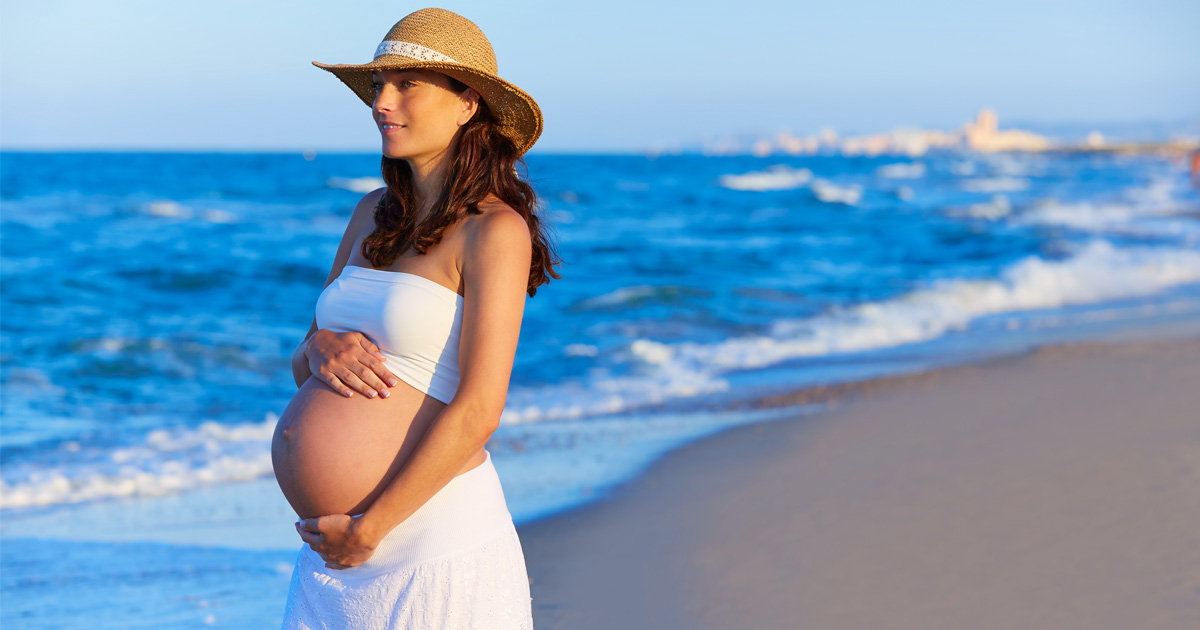
Reproductive health is a complex and deeply personal topic influenced by biological, environmental, and lifestyle factors. Coastal environments have long been associated with relaxation, reduced stress levels, and improved overall well-being, which may play a supportive role in health journeys. Punta Mita, located along Mexico’s Pacific coast, offers a calm and natural setting that may contribute to comfort and emotional balance during fertility-related consultations and educational processes. Within this context, coastal fertility care can be discussed as a concept that integrates environmental serenity with evidence-based reproductive health knowledge.
Contents
Reproductive health in coastal environments
Reproductive health involves hormonal balance, ovarian and testicular function, lifestyle habits, and overall physical and mental well-being. Environmental factors such as climate, air quality, daily routines, and stress levels may influence how individuals perceive and manage their health. Coastal settings, with access to natural light, ocean views, and a slower pace of life, are often associated with wellness-oriented lifestyles. Educational content about coastal fertility care can explore how lifestyle and environmental factors intersect with reproductive health awareness.
The role of lifestyle and emotional well-being
Stress and emotional health are widely recognized as important components of overall health. Relaxation practices, physical activity, balanced nutrition, and sleep routines are frequently discussed in scientific literature as supportive factors for general wellness. Coastal regions often provide opportunities for outdoor activities and mindfulness practices, which may help individuals feel more grounded. In this broader context, coastal fertility care also refers to educational discussions about how environment and lifestyle may influence perceptions of reproductive health.
Scientific perspectives on reproductive health
Reproductive health is supported by scientific research in fields such as endocrinology, gynecology, andrology, and embryology. Educational materials often address topics like ovarian reserve, hormonal cycles, sperm parameters, and age-related changes. In serene coastal settings, educational initiatives can be delivered in a calm environment that encourages learning and open conversations. This aligns with the idea of coastal fertility care, where scientific knowledge is shared in settings that prioritize comfort and clarity.
Punta Mita as a setting for health education
Punta Mita is recognized for its peaceful atmosphere and connection to nature. These characteristics may enhance the experience of individuals seeking information about reproductive health topics. Educational articles, workshops, and digital resources can be developed to inform audiences about reproductive biology, preventive health strategies, and lifestyle considerations. In this sense, coastal fertility care represents a framework for discussing reproductive health in harmony with the natural coastal environment.
Reproductive health education is essential for informed decision-making at every stage of life. Coastal settings like Punta Mita offer a unique environment that may support learning, reflection, and well-being. By combining scientific knowledge with serene surroundings, individuals can access reliable information in a calm and respectful context. This article highlights how coastal fertility care can serve as an educational approach that integrates reproductive health knowledge with the benefits of a tranquil coastal setting.